Nike Faces Athleisure Shift: Who's in the Impact Zone?
Nike's focus on performance and hype risks market share to athleisure brands. We map how this shift impacts Nike, its competitors, and retail partners.
Quick answer
Nike (NKE) faces a significant challenge as consumer preferences shift from pure athletic performance gear and sneaker hype towards versatile athleisure and comfortable, stylish everyday wear offered by competitors. This trend directly impacts Nike's revenue and market share, while benefiting brands like Lululemon (LULU), On Holding (ONON), Hoka (DECK), and New Balance. Retailers stocking these brands, such as Dick's Sporting Goods (DKS) and Foot Locker (FL), must adapt their inventory and shelf space.
The Shifting Consumer Landscape
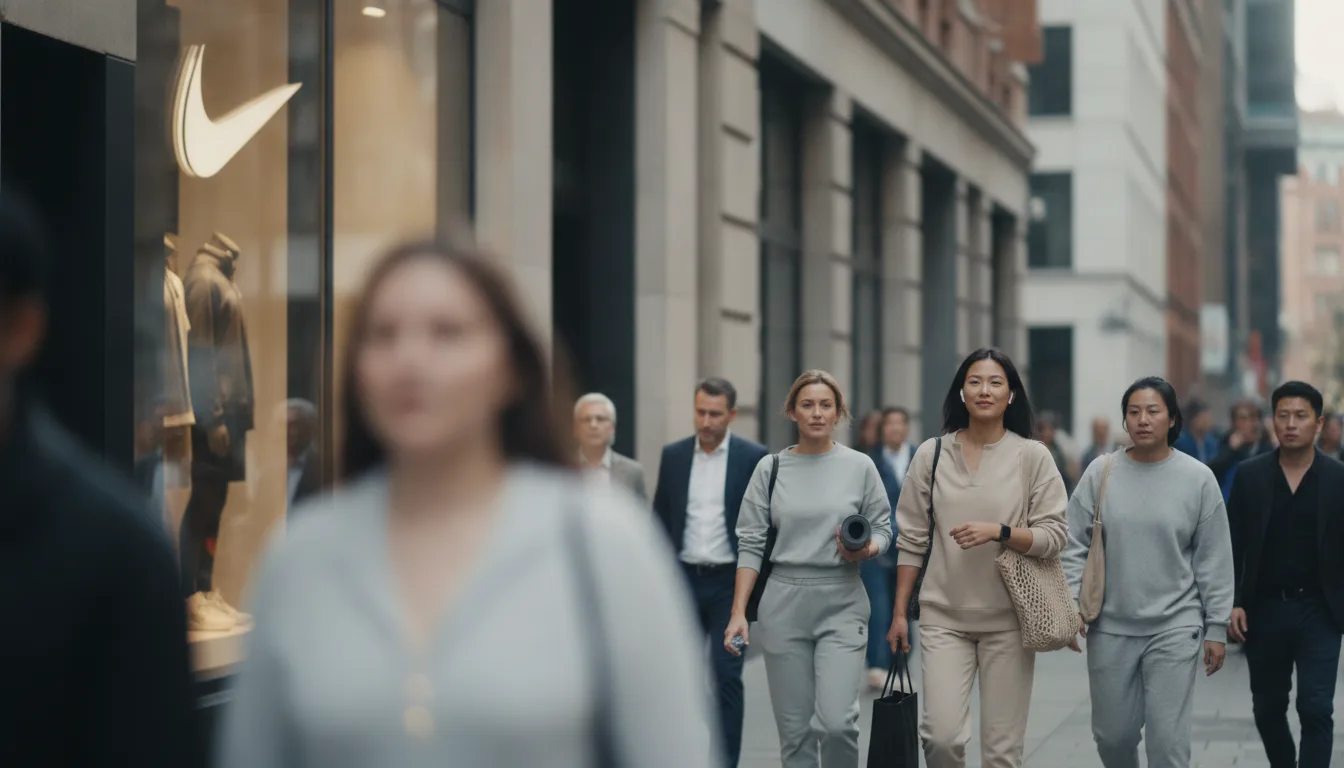
For decades, Nike defined athletic footwear and apparel. Its dominance stemmed from a blend of performance innovation, celebrity endorsements, and cultural relevance. However, recent years show a clear pivot in consumer behavior. Shoppers increasingly prioritize comfort, versatility, and subtle aesthetics over overt branding and high-performance specificity for daily wear.
The rise of athleisurewear has blurred lines between gym attire and casual fashion. Brands that cater to this crossover, offering clothing suitable for workouts, errands, and social settings, have captured significant market attention. This shift directly challenges Nike's historical model, which has leaned heavily into specialized athletic lines and a 'hype' strategy built around limited-edition sneakers and collaborations.
Nike's Direct Exposure
Nike (NKE) sits at the center of this trend. Its financial reports show signs of cooling demand in certain segments and regions. For instance, in its Q3 FY2024 earnings call, Nike noted a mid-single-digit decline in wholesale revenue and revised its full-year revenue outlook downwards. This indicates a struggle to maintain sales velocity across its broader product lines. The company's continued emphasis on high-cost, specialized products may alienate a growing segment of consumers seeking value and versatility.
Nike's exposure is multi-faceted. Slower sales translate directly to lower revenue and profit margins. It also necessitates increased marketing spend to maintain brand relevance, potentially eroding profitability. Inventory management becomes more complex if specific product lines underperform, leading to markdowns. The company's strategic focus, perceived by some as overly reliant on sneaker culture, appears misaligned with the broader market's move towards everyday athleisure.
Competitors Gaining Traction
Several brands are directly benefiting from Nike's perceived misstep and the broader athleisure trend. These include:
Lululemon Athletica (LULU): A pioneer in premium athleisure, Lululemon's focus on comfort, fit, and aesthetic appeal for both athletic and casual wear continues to resonate. Its consistent growth in revenue and market capitalization reflects its strong connection with the athleisure consumer.
On Holding (ONON): Known for its distinctive cloud cushioning technology, On has successfully expanded beyond running shoes into lifestyle sneakers and apparel, blending performance with contemporary design. The company reported a 20.9% year-over-year net sales increase in Q1 2024, demonstrating strong momentum.
Hoka (part of Deckers Outdoor (DECK)): Hoka's maximalist running shoes have transitioned into a popular choice for everyday comfort and style, especially among younger demographics. Deckers Outdoor reported Hoka net sales increased by 34.3% to $429.3 million in Q4 FY2024, highlighting its rapid market penetration.
New Balance: This legacy brand has seen a significant resurgence, skillfully blending retro styles with modern comfort and limited collaborations that feel more organic. Its broad appeal across various demographics positions it well against Nike.
Alo Yoga, Vuori, and Athleta (part of Gap (GPS)): These brands are also carving out substantial niches in the athleisure market, offering high-quality apparel that emphasizes comfort, durability, and style suitable for a range of activities. Gap's Athleta brand, for instance, targets women seeking performance-oriented yet stylish apparel for an active lifestyle.
Ripple Effects on Retailers and Supply Chains
The shift in consumer preference creates ripple effects for retailers. Large sporting goods and apparel retailers like Dick's Sporting Goods (DKS) and Foot Locker (FL) are direct customers of Nike. As demand for Nike products slows, these retailers experience a proportional impact on their sales. To counteract this, they are likely reallocating shelf space, marketing efforts, and purchasing budgets towards the faster-growing athleisure and performance brands.
Dick's Sporting Goods, for example, has expanded its 'house brands' and increased its offerings from competitors. Foot Locker has also diversified its brand portfolio to reduce reliance on any single supplier. This creates a competitive environment within retail stores, where floor space becomes a battleground for consumer attention.
Upstream, the supply chain for athletic apparel also feels the impact. Manufacturers of specialized textiles, cushioning materials, and shoe components that primarily supply Nike may see reduced orders or pressure on pricing. Conversely, suppliers to Lululemon, On, and other rising brands could experience increased demand. The specific impact depends on the fungibility of materials and manufacturing processes across different brands.
What to Monitor Next
Watch for Nike's upcoming earnings calls for revised guidance on revenue and profit margins, particularly within its wholesale and direct-to-consumer segments. Any shifts in marketing strategy or product development announcements focused on athleisure will be key.
Monitor earnings reports from Lululemon (LULU), On Holding (ONON), and Deckers Outdoor (DECK) for continued strong growth, which would further confirm the market shift.
Look at inventory levels and sales mix reported by major retailers like Dick's Sporting Goods (DKS) and Foot Locker (FL). Increases in competitor brands' stock or promotions for Nike products could signal ongoing shifts.
Track market research reports on consumer spending habits in athletic apparel and footwear, noting preferences for style, comfort, and brand loyalty.
Observe new product launches and collaborations from all players. Nike's response to the athleisure trend, whether through new lines or strategic acquisitions, will be critical.
Rippli is a research tool. It maps relationships and evidence. It does not provide investment advice, and nothing here is a recommendation to buy or sell any security.