SpaceX Spectrum Acquisition: Ripple for Telecom Incumbents
SpaceX's acquisition of $8 billion in cellular spectrum signals a long-term competitive threat to Verizon, AT&T, and T-Mobile. This move pressures future pricing and market share, despite immediate operational hurdles for SpaceX.
Quick answer
SpaceX's acquisition of approximately $8 billion in nationwide low-band cellular spectrum introduces a new competitive vector into the U.S. telecom market. This event directly impacts Verizon (VZ), AT&T (T), and T-Mobile (TMUS) by signaling a potential long-term challenge to their market share and pricing power. While SpaceX's immediate operational impact as a full cellular competitor is years away, the market's reaction reflects concerns over future industry dynamics.
The Spectrum Acquisition and Market Reaction
SpaceX has acquired an estimated $8 billion worth of low-band cellular spectrum across the United States. This significant investment positions the company to potentially expand its Starlink satellite internet service into a more direct cellular offering. Following reports of this acquisition, major U.S. telecom providers saw their stock prices decline.
On recent trading days, T-Mobile (TMUS) experienced a drop of around 13 percent, while Verizon (VZ) and AT&T (T) each fell approximately 10 percent. This market reaction suggests investor concern about the introduction of a new, well-funded competitor into a sector characterized by high fixed costs and established market players. The perceived threat is that SpaceX could eventually pressure existing carriers' pricing, margins, and customer bases.
The Competitive Threat from SpaceX
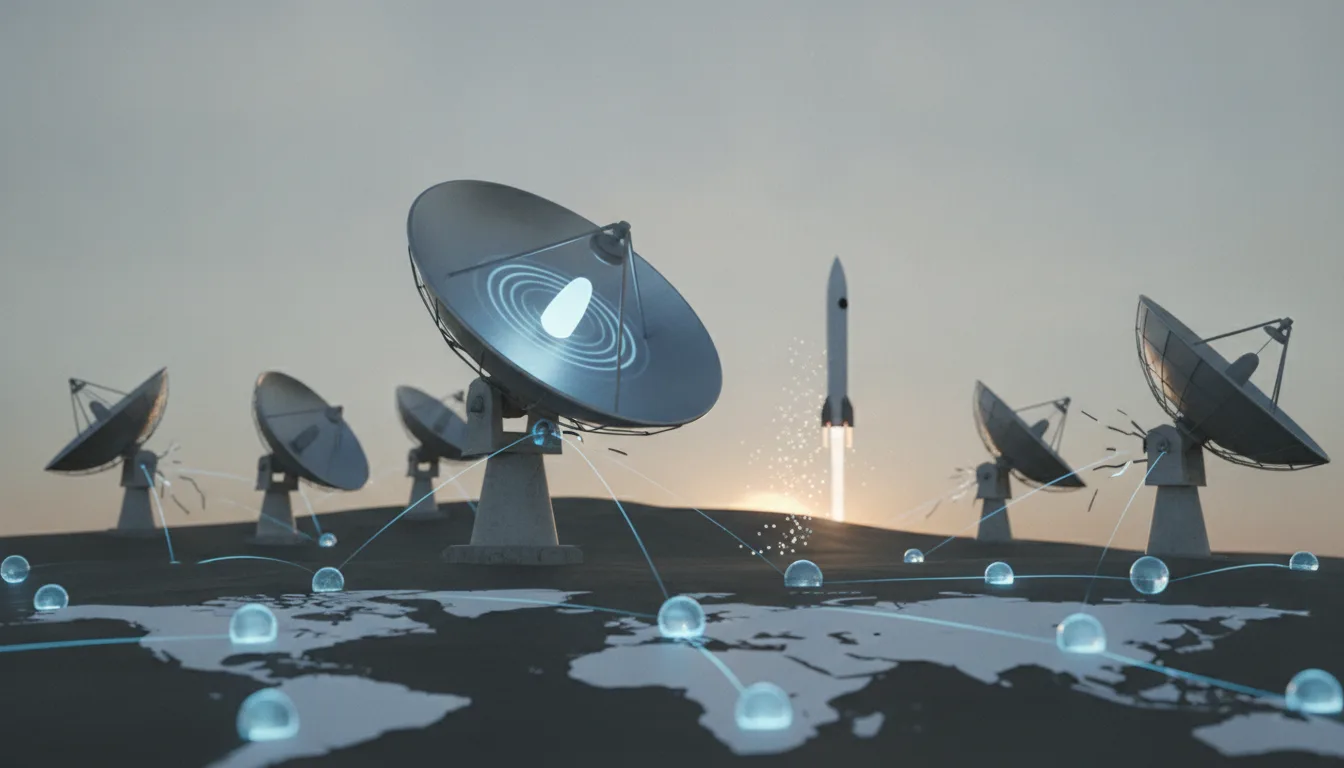
SpaceX's competitive threat stems from two key areas: its Starlink satellite constellation and its newly acquired low-band spectrum. Starlink already offers internet access, primarily in underserved rural areas, by bypassing traditional terrestrial infrastructure. The acquisition of low-band spectrum allows SpaceX to transmit cellular signals over longer distances and through obstacles more effectively, complementing its satellite capabilities.
The intention appears to be a direct-to-cell service from Starlink satellites. This model could disrupt the traditional cellular market by offering a complementary, or eventually competing, service without the need for extensive ground infrastructure rollouts typical of traditional carriers. The prospect of a 'fourth competitor' is a concern for incumbent carriers. These companies, Verizon, AT&T, and T-Mobile, have invested hundreds of billions in building and maintaining their cellular networks and purchasing existing spectrum licenses. A new entrant with a different cost structure could pressure profit margins.
Examining the Incumbents' Exposure
The Scale of Impact (SoI) on Verizon, AT&T, and T-Mobile is currently speculative but with high future potential. The primary relationship path here is competitor risk. All three companies operate extensive nationwide cellular networks. Their business models rely on attracting and retaining subscribers through competitive pricing, network coverage, and data speeds. SpaceX's entry directly targets these revenue streams.
Verizon (VZ) and AT&T (T) have significant enterprise and government contracts, alongside their consumer bases. T-Mobile (TMUS) has grown rapidly, often through aggressive pricing and network expansion. All three maintain substantial spectrum portfolios. If SpaceX successfully deploys a nationwide cellular service, it could dilute the value of these existing spectrum assets and force a re-evaluation of pricing strategies. For now, the SoI reflects the market's anticipation of future competitive intensity rather than immediate operational changes.
A related company to watch is AST SpaceMobile (ASTS). Barron's recently noted that SpaceX's spectrum purchase could be beneficial for AST SpaceMobile stock. This suggests the market sees a broader trend of satellite-to-cellular integration, where partnerships and complementary services may also emerge alongside direct competition.
Near-term vs. Long-term Impact
The market's sharp reaction appears to price in a long-term competitive threat rather than an immediate one. Building a fully competitive, nationwide cellular network from scratch, even with satellite integration, requires immense capital expenditure, regulatory approvals, and technological development. SpaceX's Starlink service, while expanding, is not yet a direct replacement for traditional cellular for most users.
The low-band spectrum acquisition is a foundational step, but operationalizing it into a mass-market cellular product will take years. This involves integrating the spectrum into satellite payloads, ensuring seamless handoffs, developing user devices, and scaling customer support. The existing carriers benefit from deeply entrenched customer relationships, extensive retail presence, and mature billing systems. These are not easily replicated.
For the near term, SpaceX's direct-to-cell capabilities are more likely to target niche markets or provide supplemental coverage, especially in remote areas. The true test will be SpaceX's ability to offer a service that can genuinely compete on speed, reliability, and cost with existing providers in urban and suburban markets, where the vast majority of cellular subscribers reside. This implies a development horizon measured in several years, not months.
What to Monitor
Watch for further details from SpaceX regarding its timeline for deploying direct-to-cell services and specific service offerings.
Monitor earnings calls from Verizon, AT&T, and T-Mobile for management commentary on competitive landscapes and any strategic responses to SpaceX's moves.
Observe regulatory filings related to spectrum usage and satellite-to-cellular operations.
Look for announcements of partnerships between SpaceX and existing cellular providers, which could indicate a complementary rather than purely competitive approach.
Track customer adoption rates for Starlink's direct-to-cell trials or early deployments.
Frequently asked questions
What does SpaceX's cellular spectrum acquisition mean?
SpaceX acquired approximately $8 billion in low-band cellular spectrum. This allows it to potentially offer direct-to-cell services from its Starlink satellites, expanding its reach beyond current internet services.
How does this impact Verizon, AT&T, and T-Mobile?
This signals a long-term competitive threat to these major telecom companies. A new nationwide cellular competitor could pressure their pricing, market share, and margins, leading to significant stock price declines for VZ, T, and TMUS.
Is Starlink a direct competitor to traditional cellular services?
Not yet. While Starlink provides internet, its new spectrum acquisition positions it to potentially offer direct-to-cell services. It will take years to develop a fully competitive cellular network compared to established carriers.
What is low-band spectrum primarily used for?
Low-band spectrum is valuable for cellular communication because its signals can travel longer distances and penetrate buildings more effectively. This allows for broader coverage, especially in rural or challenging environments.
How long until SpaceX's cellular plans impact the market significantly?
The significant market impact is likely a long-term prospect, measured in several years. Building out a comprehensive, competitive cellular service from satellites involves substantial development, regulatory hurdles, and customer acquisition challenges.