Record Diesel Prices Ripple Through Supply Chains
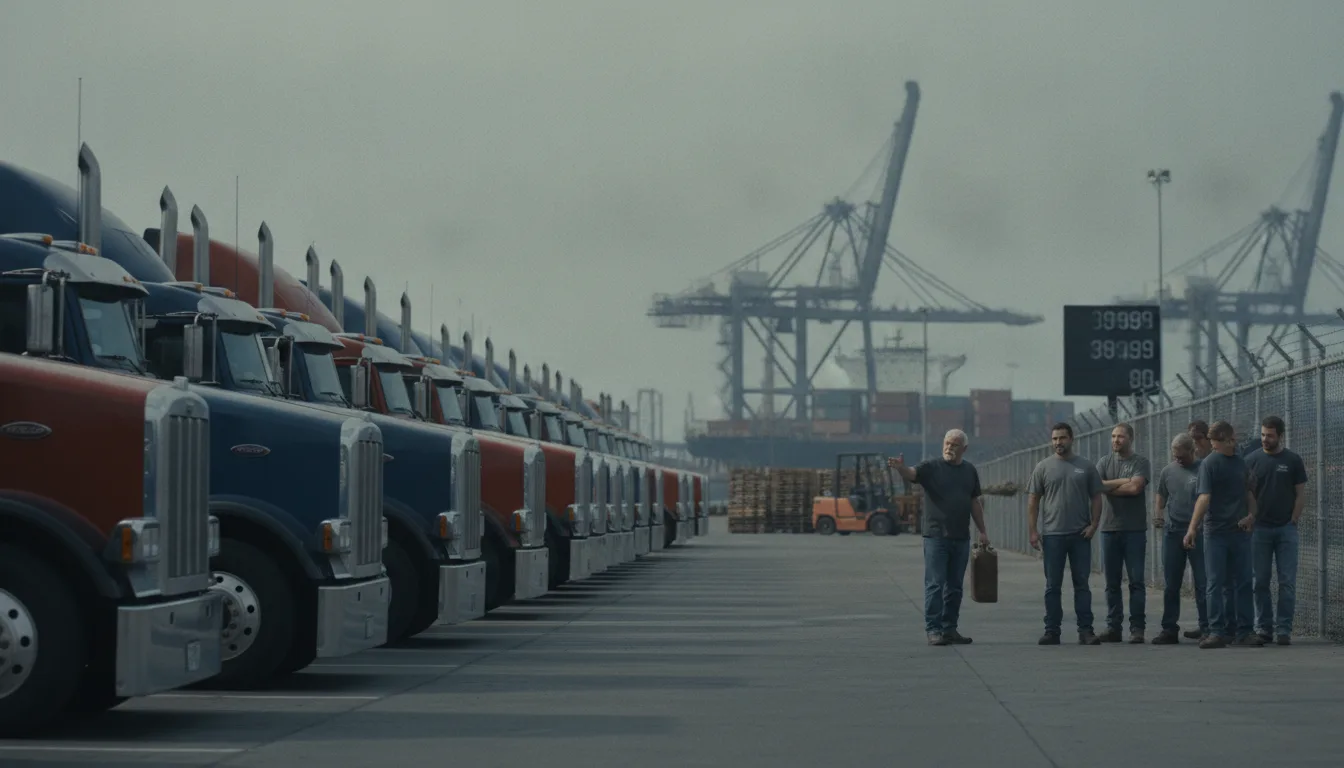
U.S. diesel prices topping $6.05 per gallon directly elevate transportation costs, impacting freight carriers, then rippling to consumer goods, construction, and agriculture through higher input and distribution expenses.
Quick answer
U.S. diesel prices reaching record highs at $6.05 per gallon significantly increase operational costs for freight and logistics companies. This elevated expense flows through their customer relationships to broad sectors including consumer goods, construction, and food production. The impact manifests as higher producer goods prices and potential margin compression for businesses reliant on physical transport.
The Initial Impact: Transportation Sector
The national average for diesel fuel topped $6.05 per gallon, a more than 60 percent increase from a year prior, according to AAA data. This surge directly impacts the transportation and logistics industry. Companies operating truck fleets, railroads, and even maritime freight depend heavily on diesel fuel. For many, fuel can represent 25 percent to 40 percent of total operating expenses, as evidenced in past quarterly earnings reports from major carriers.
Increased diesel costs immediately translate into higher operational expenses for these carriers. While many implement fuel surcharges to pass on these costs to customers, there is often a time lag. This lag can compress margins for logistics providers in the short term. Companies like those in the long-haul trucking sector, for instance, face an elevated cost burden with every mile driven.
Ripple to Consumer Goods and Retail
The effect reaches consumer goods manufacturers and retailers through their reliance on freight carriers. Everything from packaged foods to electronics travels by truck, rail, or ship at some point. Higher transportation costs for inbound raw materials and outbound finished products can diminish margins for these companies.
Major retail chains, which manage extensive supply chains, are particularly exposed. The cost of moving inventory from distribution centers to stores, and from suppliers to distribution centers, escalates. These companies often attempt to absorb a portion of the cost increase or pass it on to consumers through higher product prices. This relationship path is a direct customer-supplier link, where the retailer is the customer of the logistics firm.
For example, a large national grocery chain relies on hundreds of suppliers using diesel-powered trucks. If their logistics partners increase rates, the grocery chain faces a choice: higher prices for consumers or reduced profitability on staple goods. This impact is often felt at the producer level first, where higher transportation costs for ingredients push up wholesale prices.
Impact on Construction and Industrial Sectors
The construction sector is another area facing significant exposure. Heavy machinery, such as excavators, bulldozers, and cranes, runs on diesel. Fueling these machines on job sites directly contributes to project costs. Beyond equipment operation, the transport of bulky construction materials, including concrete, steel, and timber, relies heavily on diesel-powered trucks and trains.
Suppliers of construction materials face increased costs for both raw material procurement and delivery to contractors. This impacts their margins and can lead to higher prices for construction projects. The relationship here is a supplier-customer chain, where a materials supplier's transportation costs are a key input to the contractor's project budget.
Industrial manufacturers also see an effect. Companies that produce goods requiring heavy raw materials, or whose finished products are large and require specialized transport, face higher freight expenses. This includes sectors like machinery manufacturing and heavy equipment fabrication. The cost of moving components into the factory and completed machines out becomes more expensive.
Agricultural Sector Exposure
Agriculture is deeply connected to diesel prices. Farm machinery, from tractors to harvesters, depends on diesel. Planting, cultivating, and harvesting operations become more expensive when fuel costs rise. Beyond on-farm operations, the transportation of agricultural inputs like fertilizer, seeds, and pesticides to farms also increases in cost.
After harvest, moving crops to processing plants, distribution centers, and ultimately to consumers requires extensive diesel-fueled transportation. This direct and indirect exposure affects food producers and processors. Companies in the meatpacking industry, for instance, incur higher costs to transport livestock to facilities and then distribute processed goods. The farmer's margin shrinks, or food prices rise, illustrating the broad reach of this ripple through the food supply chain.
What to Monitor Next
Monitor the earnings calls of major freight and logistics companies for updates on fuel surcharges and their ability to pass on costs. Watch retail and consumer goods companies for changes in inventory levels, pricing strategies, and gross margins as transportation costs flow through. Check guidance from construction and agricultural equipment manufacturers for any commentary on input costs or project delays. Track government economic reports, such as the Producer Price Index (PPI), for further indications of elevated transportation costs impacting upstream prices.
Rippli is a research tool. It maps relationships and evidence. It does not provide investment advice, and nothing here is a recommendation to buy or sell any security.
Frequently asked questions
Which industries are most exposed to high diesel prices?
The transportation and logistics industry is directly exposed, followed closely by sectors heavily reliant on freight, such as consumer goods, construction, and agriculture.
How do higher diesel prices affect consumer goods?
Higher diesel prices increase the cost of moving raw materials to manufacturers and finished products to retailers, potentially leading to higher consumer prices or reduced profit margins for companies.