Houthi Attack Reports: Saudi Oil Pipeline Impact Zone
Reports of Houthi attacks on Saudi Arabia's East-West crude pipeline signal potential oil market volatility. Track affected shippers, refiners, and energy companies.
Quick answer
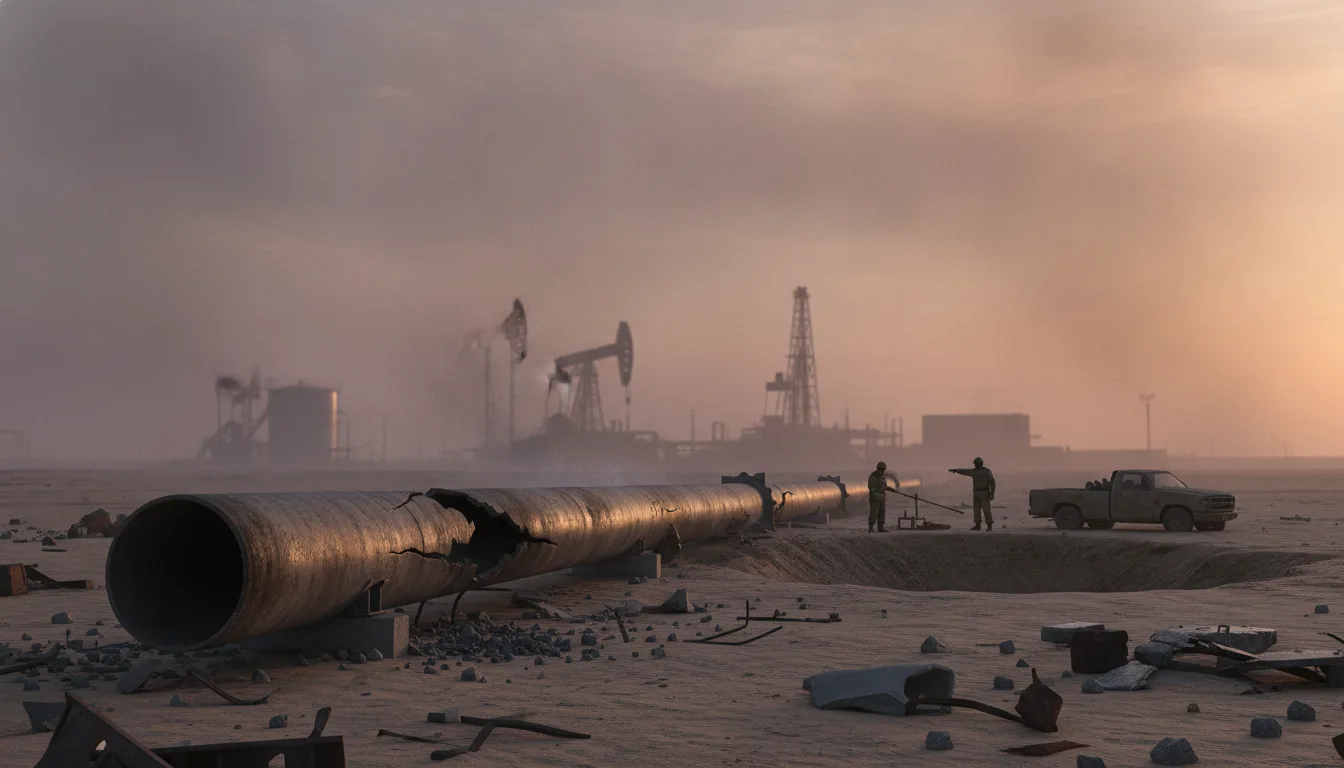
Reports indicate Houthi forces have severely damaged key sections of Saudi Arabia's East-West crude pipeline. This event could disrupt a critical oil export route that bypasses the Strait of Hormuz. If confirmed, the incident carries significant implications for global oil supply, pricing stability, and the operational costs for crude shippers and refiners reliant on Saudi output.
The East-West Pipeline's Strategic Role
Saudi Arabia's East-West pipeline, also known as Petroline, is a vital piece of global energy infrastructure. It transports crude oil from the eastern oilfields to Yanbu on the Red Sea coast. This route offers a strategic alternative to shipping through the Strait of Hormuz, a narrow waterway vulnerable to geopolitical tensions. The pipeline's capacity allows Saudi Arabia to maintain export flexibility and reduce reliance on a single choke point for its crude shipments.
A disruption to this pipeline therefore has broader implications beyond immediate supply. It introduces uncertainty about crude transit routes and potential bottlenecks. The pipeline's strategic value often leads to higher risk premiums for oil prices when its integrity is threatened.
Direct Exposure: Saudi Aramco and Oil Supply
The primary entity with direct exposure is Saudi Aramco, the state-owned oil giant that operates the pipeline. Any damage confirmed would require immediate assessment, repair work, and potentially rerouting of crude flows. This could lead to temporary reductions in crude exports or increased shipping costs. Saudi Aramco's financial results could reflect these operational challenges, depending on the severity and duration of the disruption. The Saudi government's revenue stream, heavily dependent on oil exports, would also face direct exposure.
The immediate impact on global oil supply hinges on the extent of the damage. A significant capacity reduction for an extended period could remove substantial barrels from the market. This would tighten supply and likely trigger a price reaction.
Ripple Through Global Oil Markets
News of a major pipeline disruption in a key oil-producing region often causes immediate volatility in crude futures markets. Brent and West Texas Intermediate (WTI) crude benchmarks could see upward pressure. This reflects investor concerns about potential supply shortages and increased geopolitical risk. The effect is typically more pronounced if the market perceives the disruption as long-lasting or indicative of escalating regional tensions.
Oil prices serve as a fundamental input cost for numerous industries. Higher crude prices ripple through to increased fuel costs for transportation, manufacturing, and consumer goods. Airlines, shipping companies, and logistics providers would face higher operating expenses. This pressure can compress profit margins for companies with limited ability to pass on increased costs.
Impact on Refiners and Energy Companies
Refiners that source crude from Saudi Arabia, particularly those on the Red Sea or Mediterranean coasts, could face altered supply dynamics. If the East-West pipeline is significantly impaired, these refiners might need to seek alternative crude sources or pay higher prices for available Saudi crude routed differently. This shift could impact their input costs and refining margins. Shipping companies operating in the Red Sea region might see increased insurance premiums or altered routing decisions if perceived risks escalate.
Broader energy companies, including those involved in exploration and production, might see their stock prices react to shifts in global oil prices. Companies with significant assets or partnerships in the Middle East could also face increased investor scrutiny due to heightened regional instability. Their risk assessments for ongoing projects or future investments in the area might be re-evaluated.
Broader Geopolitical and Insurance Implications
The reported attack carries significant geopolitical implications. It highlights the ongoing tensions in the region and the vulnerability of critical energy infrastructure. Escalation of such incidents could deter foreign investment in the region's energy sector. Nations reliant on Middle Eastern oil imports might also reassess their energy security strategies.
Insurance markets would likely see immediate effects. War risk premiums for shipping in the Red Sea and Gulf regions could increase. Insurers would closely monitor the situation, potentially adjusting coverage terms for assets and operations within the perceived impact zone. This adds another layer of cost for companies operating in the region or transporting goods through its waterways.
What to Monitor Next
Watch for official statements from Saudi Aramco or the Saudi Ministry of Energy regarding the extent of pipeline damage and repair timelines. Monitor real-time satellite imagery and independent reports for confirmation of the incident's scale. Track movements in Brent and WTI crude oil futures contracts for immediate market reactions. Observe shipping insurance rates for Red Sea routes. Review earnings guidance from major refiners and logistics companies for any adjustments related to fuel costs or supply chain shifts.
Rippli is a research tool. It maps relationships and evidence. It does not provide investment advice, and nothing here is a recommendation to buy or sell any security.
Frequently asked questions
What is the Saudi East-West crude pipeline?
It is a pipeline transporting crude oil from Saudi Arabia's eastern oilfields to the Red Sea coast at Yanbu, providing an alternative export route to the Strait of Hormuz.
Who operates this pipeline?
The East-West crude pipeline is operated by Saudi Aramco, the state-owned oil company of Saudi Arabia.
How do pipeline disruptions affect oil prices?
Disruptions can reduce supply, creating upward pressure on global crude oil prices (like Brent and WTI) due to concerns about shortages and increased geopolitical risk.
What impact do higher oil prices have on companies?
Higher oil prices increase input costs for industries like transportation, manufacturing, and logistics, potentially compressing profit margins for affected companies.
What role does the Strait of Hormuz play in this context?
The East-West pipeline offers a bypass for the Strait of Hormuz, a narrow and geopolitically sensitive shipping lane. A pipeline disruption increases reliance on the Strait.